Read the signal before increasing the pace
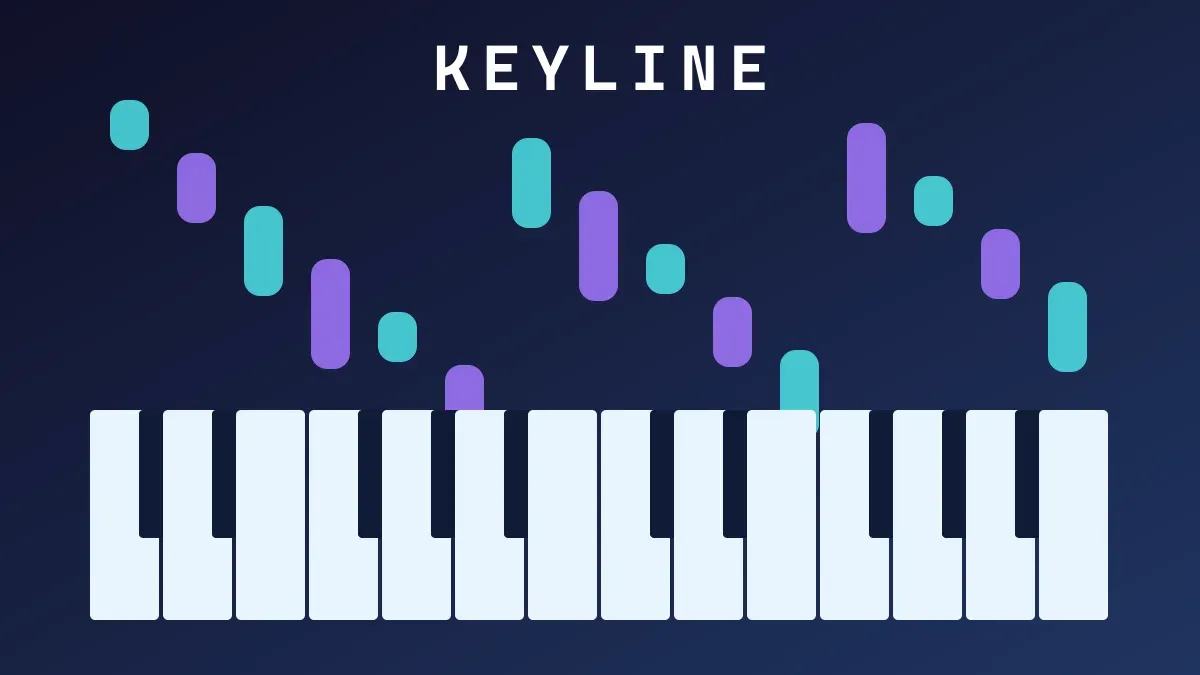
Arcade includes several distinct forms of action. Jetdash controls altitude through hold-and-release thrust. Dashfield Escape asks you to read warning lines and choose a safe crossing. Junk Magnet combines salvage routes with orbiting weapons. KEYLINE is a piano rhythm game with MIDI or a computer-keyboard demo; it should not be mistaken for a touch-only action game just because it shares this category. First identify the feedback that predicts danger: a gate preview, attack telegraph, falling note or weapon pattern. Practise a small repeatable action while the situation is still readable. Increasing speed without understanding the signal tends to make the same failure happen sooner. Use a failed attempt to identify the decision that removed your next safe option. Keyboard, mouse, touch and external instruments have different requirements. Read the actual game-language and controls notes. A translated portal page is not a promise that the embedded game is translated. If a keyboard action stops working, check focus and pause state; if MIDI input is missing, check support, permission and the instrument connection. These are different problems. Public playtests are marked as development versions and do not load portal advertisements. A playable test is not a guarantee of finished balance or a promised release date. Prefer the published objective and known limits over assumed genre conventions. No common session time applies to an endless score run, a mission campaign and a piano practice passage.
Read about input and practice
 Play now▶ Play now
Arcade · Orbiting scrap weapons
Available now
 Play now▶ Play now
Arcade · 30 guards, bayonet mode
Available now
 Play now▶ Play now
Arcade · 40 salvage missions
Available now
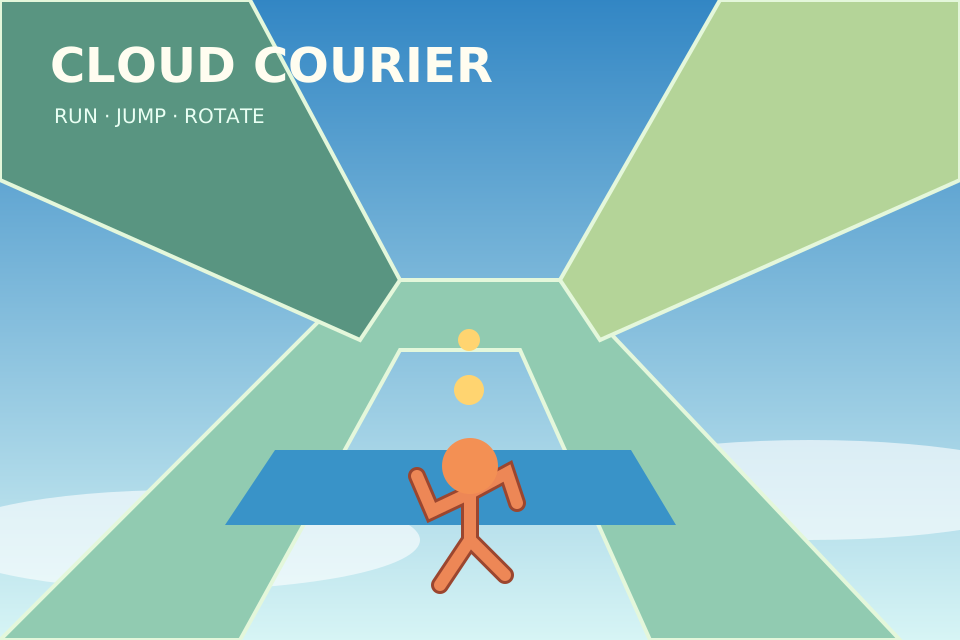 Play now▶ Play now
Arcade · Gravity flips, 50 routes
Available now
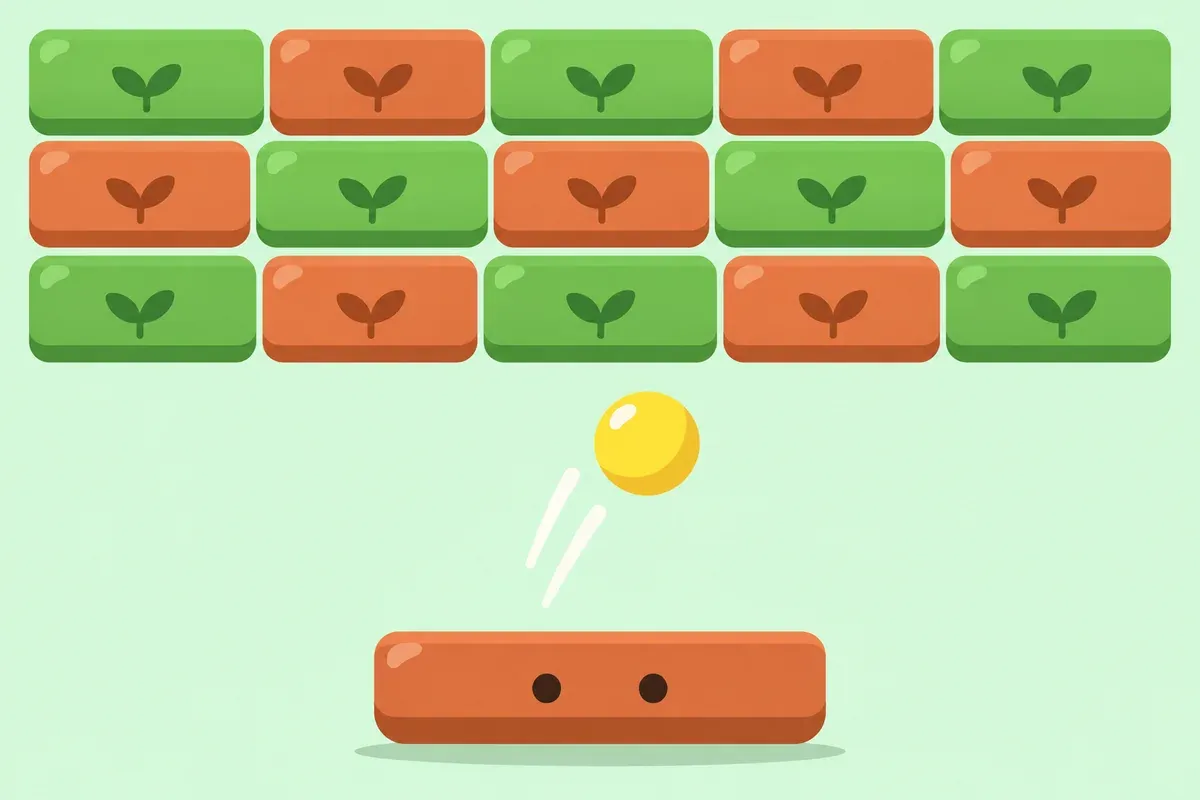 Play now▶ Play now
Arcade · Restore 3 greenhouses
Available now
 Play now▶ Play now
Arcade · Protect a growing chick queue
Available now
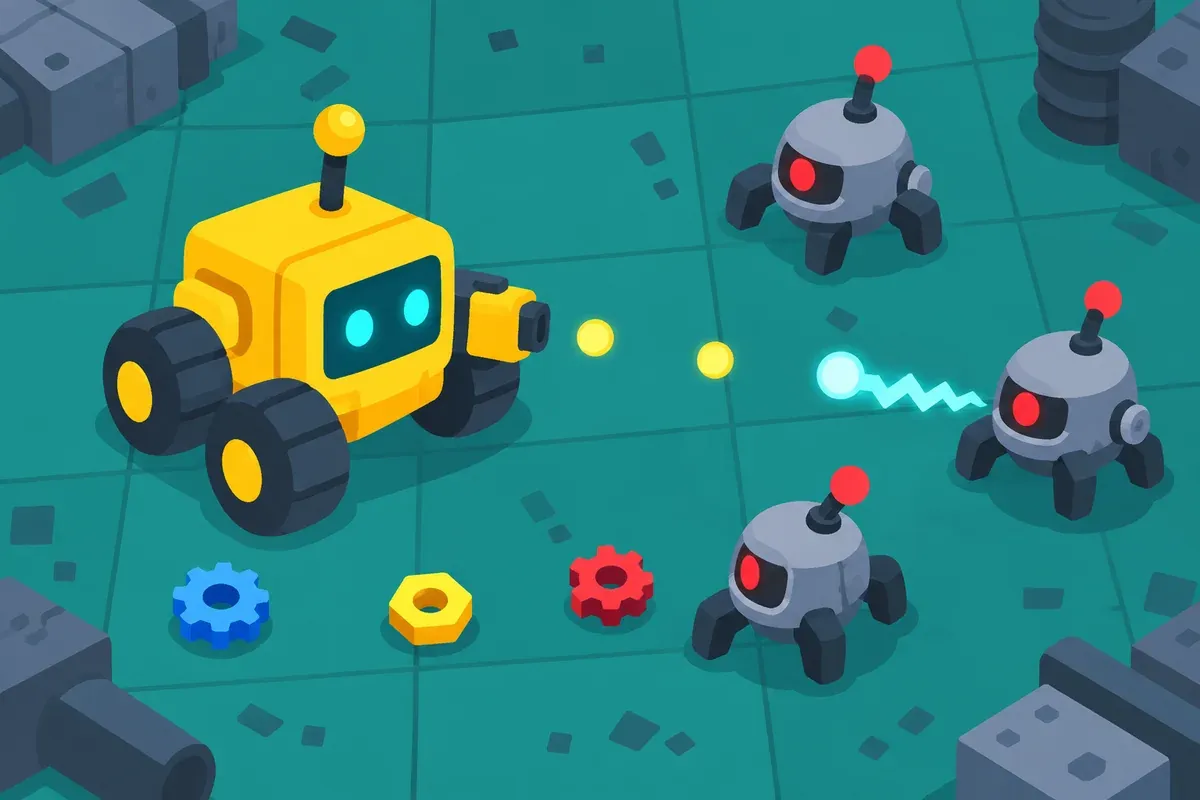 Play now▶ Play now
Arcade · Persistent robot workshop
Available now
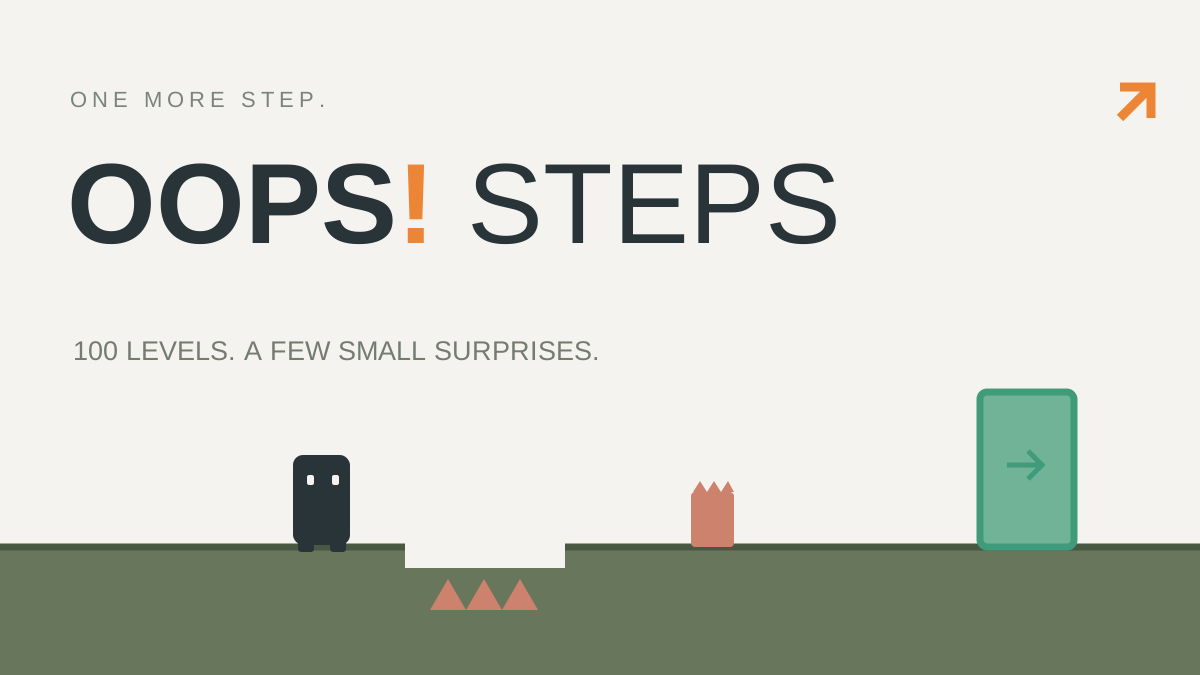 Play now▶ Play now
Arcade · 100 hidden-trap levels
Available now
 Play now▶ Play now
Arcade · Two players, one shared rope
Available now
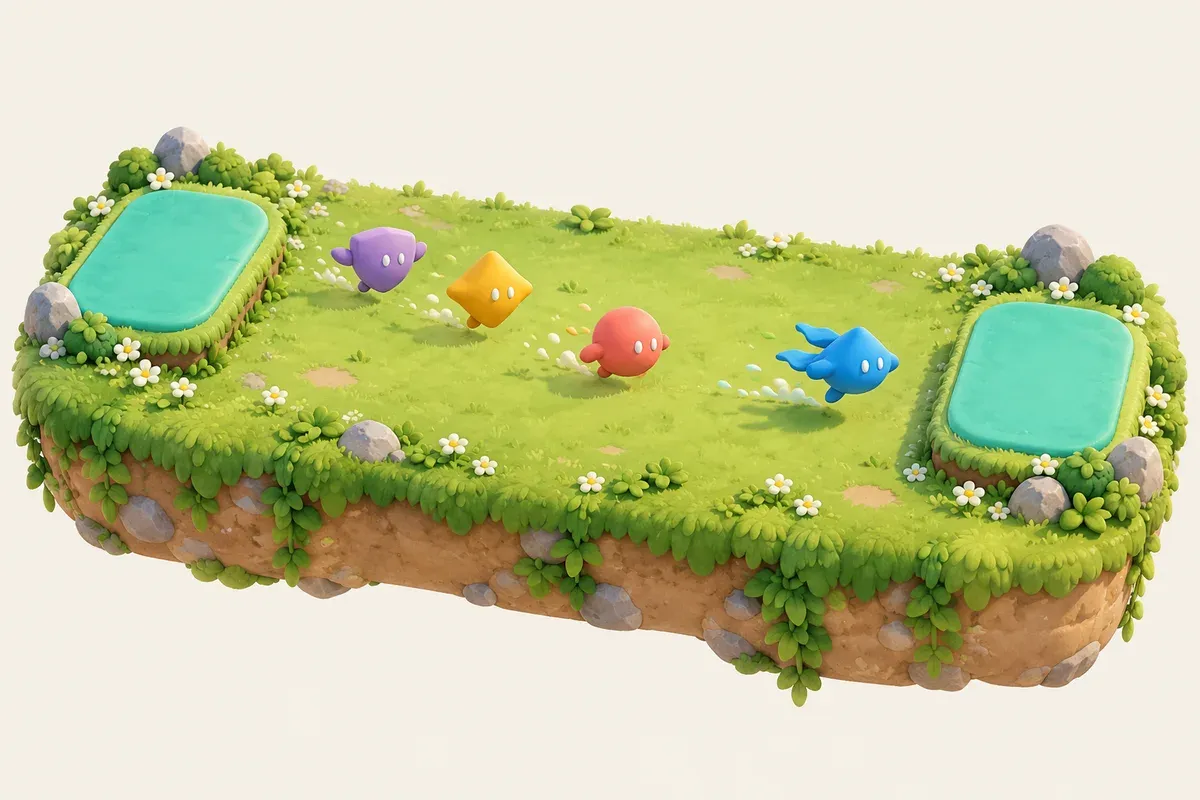 Play now▶ Play now
Arcade · Three chaser patterns
Available now
 Play now▶ Play now
Arcade · 20 guardians, hatch companions
Available now
 Play now▶ Play now
Arcade · 24 trails, 45 hatchable friends
Available now
 Play now▶ Play now
Arcade · Veil-powered space survival
Available now
 PLAYTEST▶ Play now
Arcade · 10 maps, up to 4 players
Available now · PLAYTEST
 Play now▶ Play now
Arcade · 20 courts with moving hoops
Available now
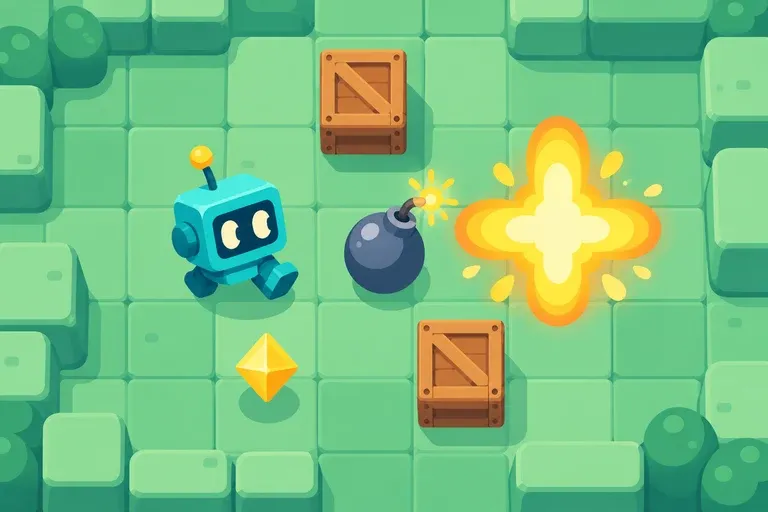 Play now▶ Play now
Arcade · 20 rescues, chain explosions
Available now
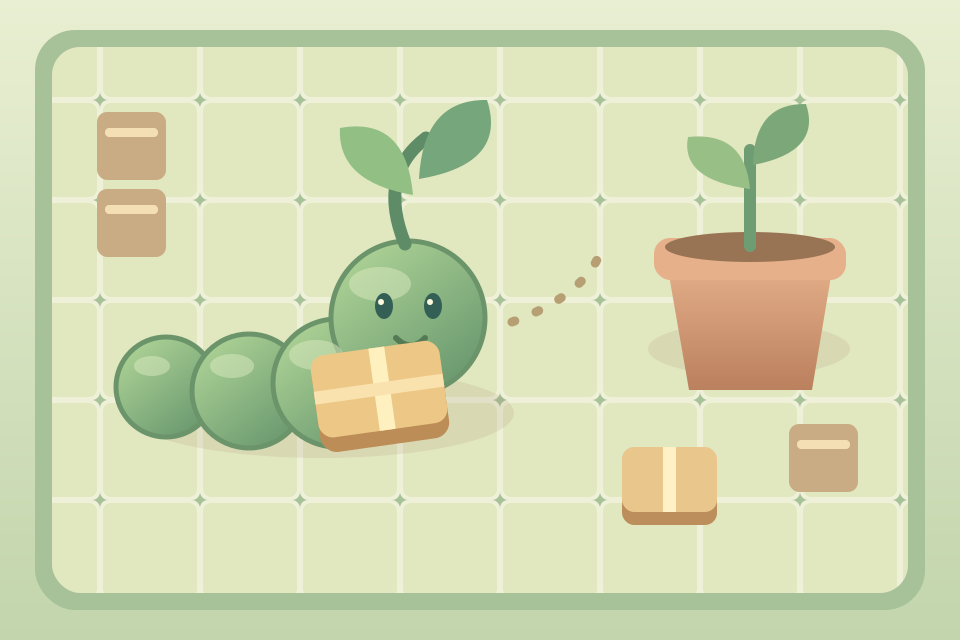 Play now▶ Play now
Arcade · Deliver with a growing tail
Available now
 Play now▶ Play now
Arcade · 20 slaloms with log jumps
Available now
 Play now▶ Play now
Arcade · 20 missions, 4 bosses
Available now
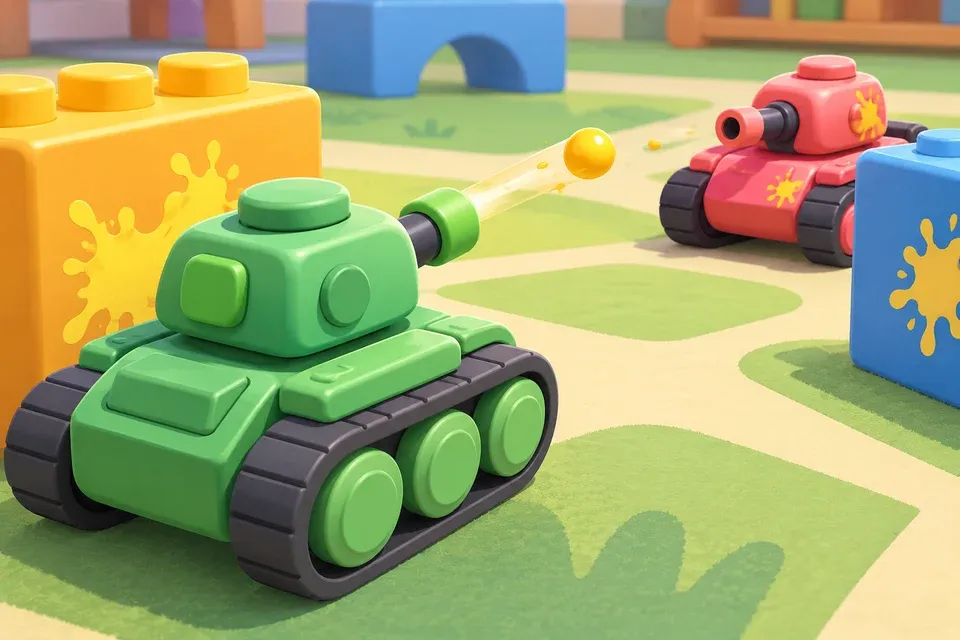 Play now▶ Play now
Arcade · 20 cover-based tank missions
Available now
 Play now▶ Play now
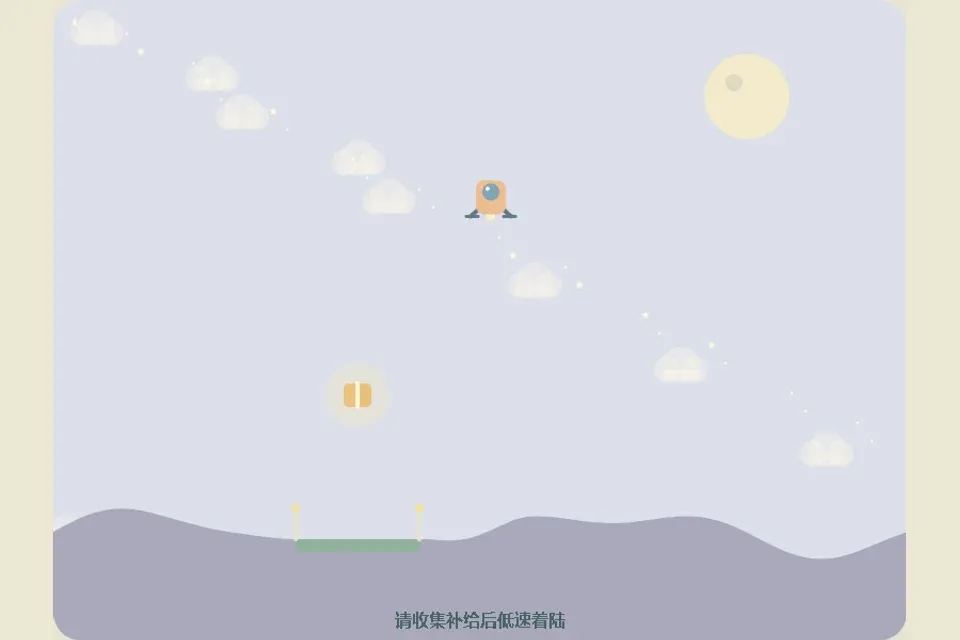
Arcade · Gentle landings with cargo
Available now
 Play now▶ Play now
Arcade · Low beams and gear pickups
Available now
 Play now▶ Play now
Arcade · Shields and warned lightning
Available now
 Play now▶ Play now
Arcade · Catch stars, filter orders
Available now
 Play now▶ Play now
Arcade · Sweet-zone swings, 3 errors
Available now
 Play now▶ Play now
Arcade · Spin shots and deflection rings
Available now
 Play now▶ Play now
Arcade · MIDI piano and keyboard demo
Available now
 Play now▶ Play now
Arcade · 6-versus-6 paint battles
Available now
 Play now▶ Play now
Arcade · Aim and spin on 30 lanes
Available now
 Play now▶ Play now
Arcade · Alternate shooting and saves
Available now
 Play now▶ Play now
Arcade · Slice fruit to fulfil orders
Available now
 Play now▶ Play now
Arcade · Rotate gaps around red sectors
Available now
 Play now▶ Play now
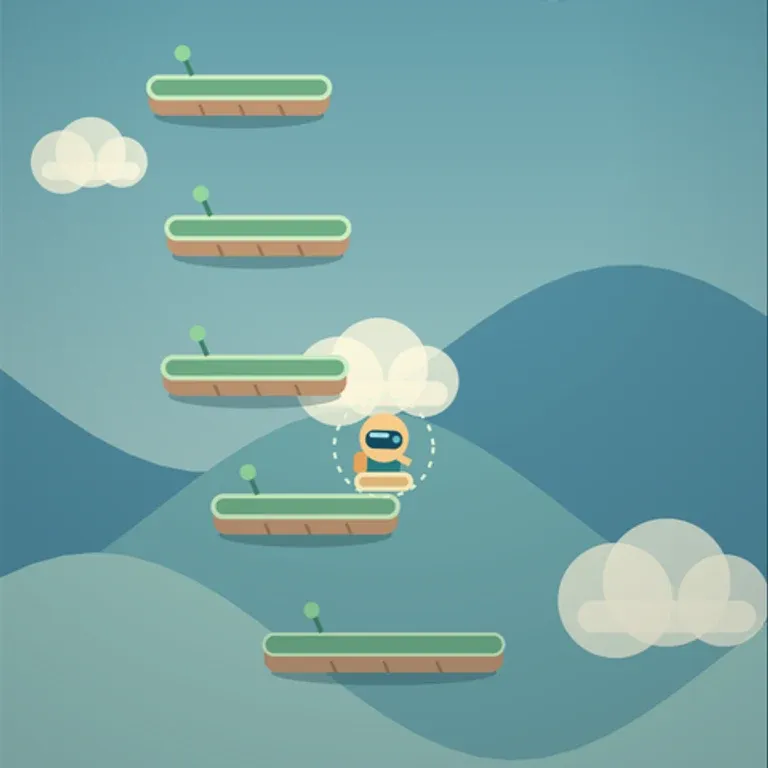
Arcade · Springs and timed rocket lifts
Available now
 Play now▶ Play now
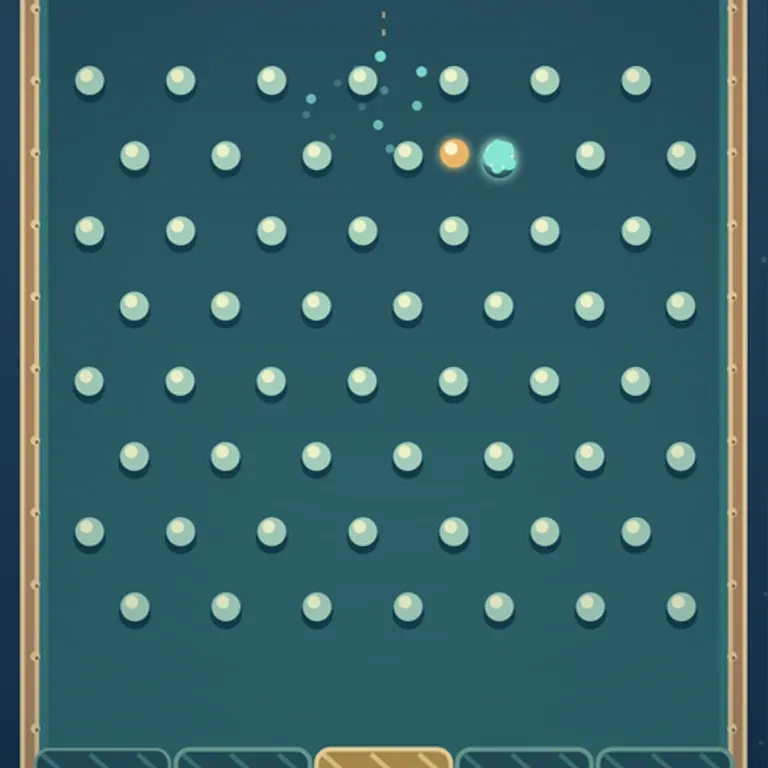
Arcade · Charge bumpers, fulfil orders
Available now
 Play now▶ Play now
Arcade · Moving gaps, 16-second shield
Available now